9th June 2026
HSE Cracks Down on Dry Cutting of Engineered Stone: What Businesses Need to Know About Silica Dust Risks
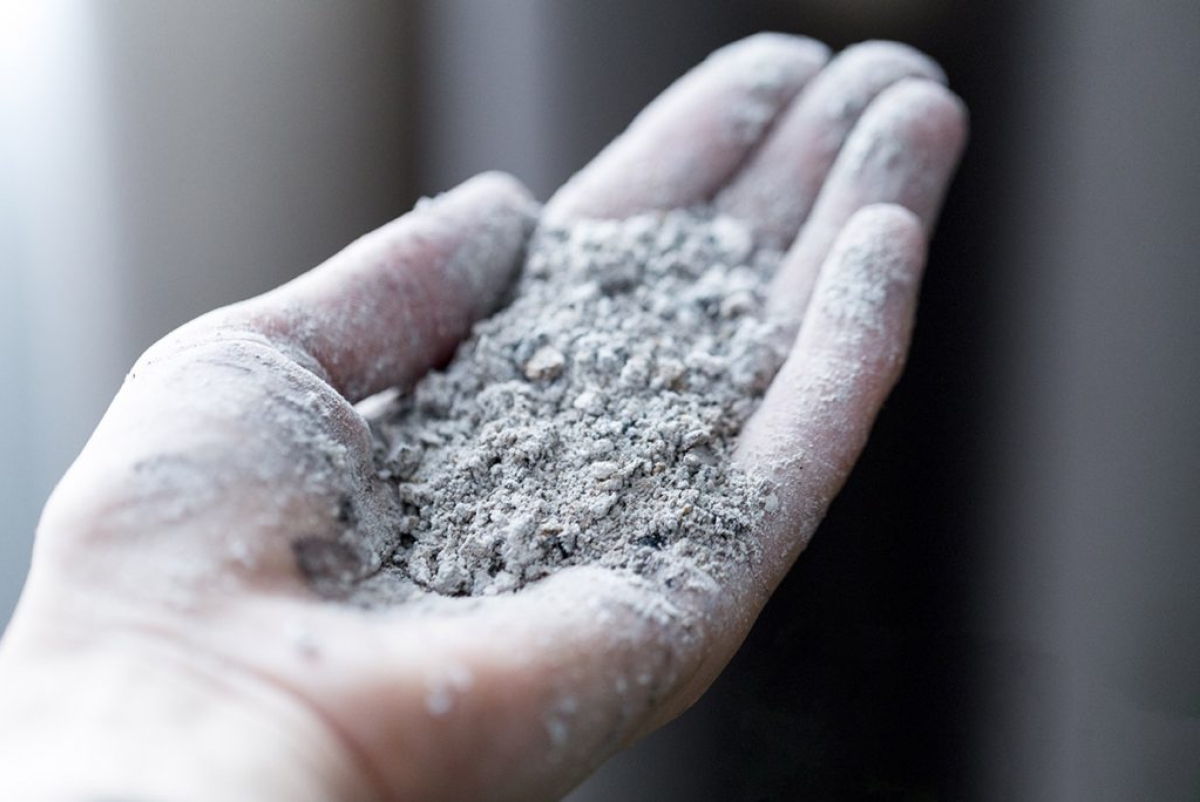
The Health and Safety Executive (HSE) has issued significant new guidance around the dry cutting of engineered stone, following growing concern over the dangers of respirable crystalline silica (RCS) dust exposure in the workplace.
For many businesses involved in construction, fit-out, stone fabrication, worktop installation, manufacturing, demolition and refurbishment, this latest intervention is highly relevant and could have major implications for health and safety compliance.
According to the HSE, dry cutting of engineered stone is now considered “unacceptable”, with businesses expected to use water suppression techniques and other control measures to protect workers from harmful silica dust exposure.
Why silica dust is such a serious risk
Engineered stone, commonly used for kitchen and bathroom worktops, can contain very high levels of crystalline silica — in some cases up to 95%. When materials are cut, drilled, polished or processed, fine silica dust particles become airborne and can be inhaled deep into the lungs.
Exposure to respirable crystalline silica has been linked to serious and irreversible health conditions including:
- Silicosis
- Chronic obstructive pulmonary disease (COPD)
- Lung cancer
- Kidney disease
What makes this particularly concerning is the speed at which illness can develop when working with engineered stone. Unlike traditional silica-related disease, which may take decades to appear, cases linked to engineered stone have seen workers develop severe silicosis within months or a few years of exposure.
The HSE has described silicosis as “entirely preventable”, but recent worker deaths and increasing numbers of diagnoses have prompted urgent action across the industry.
What the new HSE guidance says
Following a two-year research and engagement programme, the HSE has published dedicated COSHH guidance specifically for engineered stone processing and fabrication.
Key requirements include:
- Eliminating uncontrolled dry cutting methods
- Using on-tool water suppression systems
- Selecting lower silica-content materials where possible
- Controlling mist and residual airborne particles
- Providing suitable respiratory protective equipment (RPE)
- Carrying out regular health surveillance
- Ensuring proper worker training and supervision
The HSE found that dry fabrication methods can expose workers to silica dust levels five to ten times higher than equivalent wet cutting methods.
The regulator has also announced a nationwide inspection programme, with more than 1,000 inspections planned across Great Britain over the next 12 months. Enforcement action is expected where businesses fail to implement suitable controls.
What this means for employers
This latest HSE release is another reminder that occupational health risks must be taken just as seriously as immediate physical safety hazards.
Any business carrying out cutting, grinding, polishing or fabrication work involving silica-containing materials should now urgently review:
- COSHH assessments
- Dust control arrangements
- Extraction and water suppression systems
- RPE provision and face fit testing
- Health surveillance arrangements
- Employee training and awareness
- Cleaning and maintenance procedures
Even businesses outside of specialist stone fabrication may still face silica dust risks during construction, demolition, refurbishment, concrete cutting, brickwork, tiling and other activities involving silica-containing materials.
How Beaconrisk can help
At Beaconrisk, we work with businesses across construction, manufacturing, facilities management and related sectors to help manage workplace health and safety risks effectively and compliantly.
Our team can support with:
- COSHH assessments
- Dust risk assessments
- Safe systems of work
- Health and safety audits
- Contractor management
- RPE guidance and compliance
- Training and policy reviews
With HSE inspections increasing and silica dust firmly under the spotlight, now is the time for businesses to review whether their current controls are truly protecting workers.
Useful links: