26th October 2026
The Cost of Non-Compliance
Health and safety can feel like another expense on an already busy balance sheet. But what could it cost your business to get it wrong?
A fine might be the first thing that springs to mind. Yet the real cost of non-compliance can reach much further: interrupted work, insurance complications, missed contracts and a reputation that takes years to rebuild.
And behind every serious workplace incident are people whose lives may change permanently.
At Beaconrisk, we help businesses take a practical approach to health and safety, protecting their people while keeping their business moving.
£188 an hour: the cost of HSE intervention
Where HSE is the enforcing authority and identifies a material breach of health and safety law, its Fee for Intervention (FFI) rate is currently £188 per hour. This is charged for the time spent identifying the breach and following it up - not simply the time an inspector spends at your premises.
Charges can include report writing, specialist advice and follow-up discussions. More extensive or complex breaches can mean more work for HSE and a larger invoice. The charge is based on time spent, rather than a fixed tariff for each breach.
Irwell Insurance quotes an average FFI cost of around £700. This is an indicative figure published by an insurer, rather than a verified current HSE-wide average, and individual bills can vary considerably.
To illustrate how time adds up, just ten chargeable hours at the current rate would cost £1,880 - before your own costs of putting things right.
Court fines can reach hundreds of thousands of pounds
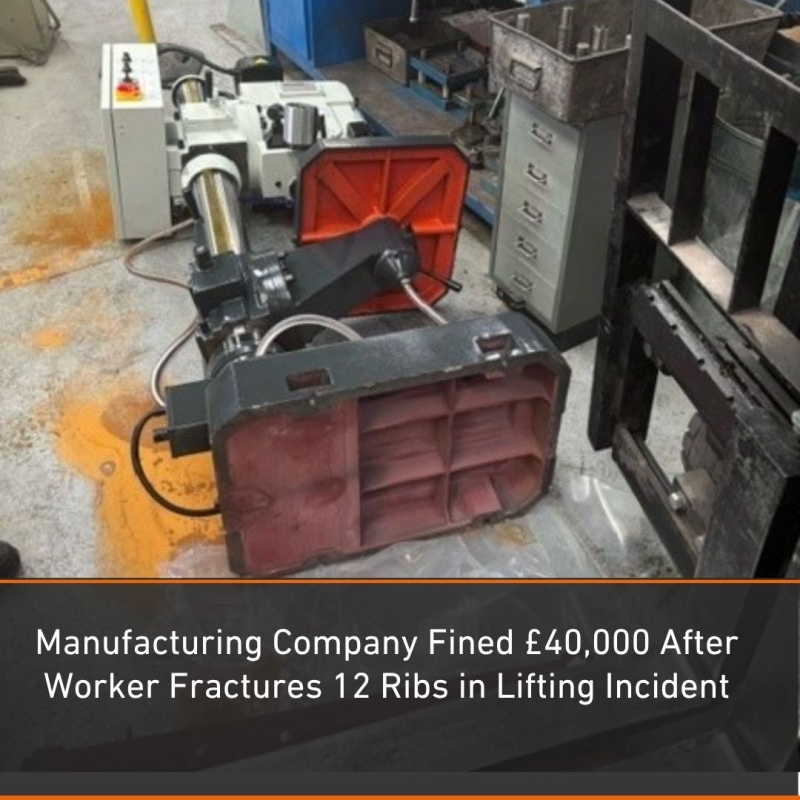
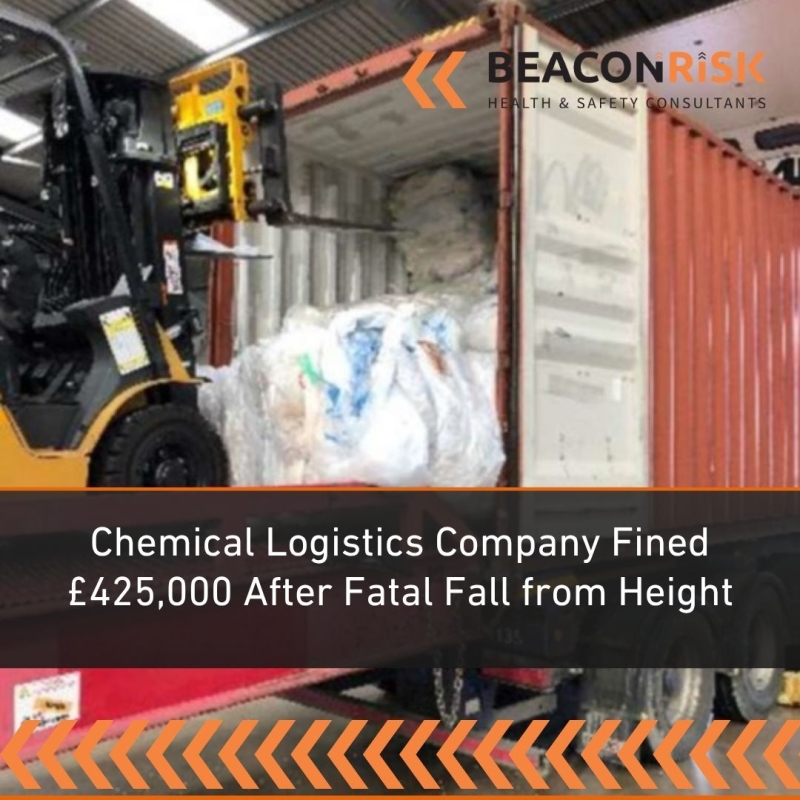
There is no single “typical fine” that tells a business what a prosecution will cost. In England and Wales, sentencing guidelines consider factors including the organisation’s turnover, its culpability and the risk of harm created by the offence.
For example, for a micro organisation with turnover of no more than £2 million, an offence involving very high culpability and harm category 1 has a guideline starting point of £250,000, with a range of £150,000 to £450,000. These are guideline figures, not an absolute cap: the statutory maximum fine is unlimited, and courts can move outside the category range where appropriate.
Crucially, harm category 1 is not simply shorthand for an accident causing death or severe injury. The assessment considers the seriousness of the harm risked and how likely it was to occur. A serious breach can therefore attract a substantial penalty even where nobody has actually been injured.
Legal fees, remedial work and disruption can add further costs.
Suddenly, the training or equipment upgrade you were putting off can look like a rather sensible investment.
No accreditation? You could lose work before it starts
The commercial cost of poor health and safety management can begin long before an incident.
If a potential client requires recognised accreditation or a particular pre-qualification standard, being unable to demonstrate that you meet it could keep you off the shortlist. Schemes such as CHAS help buyers assess contractors and help contractors pre-qualify for opportunities.
Accreditation is not universally required by law, and a certificate does not replace your legal duties. However, where it is a condition of winning work, having no accreditation - or allowing it to lapse - can become a commercial barrier.
You could have the experience, the team and a competitive quote, but still miss out because you cannot provide the evidence the client needs.
“We’re insured” isn’t the whole answer
Insurance is essential protection, but it pays to understand exactly what your policy covers before something goes wrong.
Cover depends on the type of insurance, the policy wording and the circumstances of the claim. Business insurance disputes can arise where an insurer considers a loss to fall outside the policy’s terms and conditions.
Having no accreditation does not automatically invalidate insurance. Equally, the ABI explains that a health and safety breach alone does not automatically mean an insurer will refuse a claim.
The practical step is to check with your broker or insurer that your cover matches your activities and that you understand any relevant conditions, including any specific accreditation requirements.
There may also be costs your policy does not meet. Assuming insurance will take care of every consequence could leave an expensive gap.
When work stops, the bills keep coming
HSE can issue prohibition notices stopping dangerous activities. That can have an immediate effect on your ability to deliver work.
Depending on the circumstances, your business could face:
- Lost production or cancelled jobs.
- Repairs and replacement equipment.
- Staff absence, overtime or temporary cover.
- Delayed deliveries and dissatisfied customers.
- Management time spent investigating and organising corrective action.
For a smaller business, losing a key person or several days of productive work can put real pressure on cash flow.
The wages, rent and other bills do not politely pause while you sort everything out.
The lost opportunities can cost even more
The immediate bill is only part of the picture. There is also the work you cannot win while dealing with the consequences.
Imagine your management team spending days investigating an incident, organising repairs and reassuring customers. Meanwhile, a tender deadline passes, a quotation goes unanswered or a promising new client looks elsewhere.
That is the cost of lost opportunity.
An incident may also prompt existing customers to review whether they want to continue working with you. Rebuilding their confidence can take considerably longer than replacing damaged equipment.
The greatest cost is to people
Financial consequences matter, but protecting people must remain the priority.
A preventable injury or work-related illness can affect someone’s health, income, family life and future. Colleagues may also experience distress or lose confidence in the safety of their workplace.
Good health and safety management means making sure the way work is actually done protects the people doing it. A folder of documents gathering dust cannot do that on its own.
Take action before the costs add up
Ask yourself:
- Do our risk assessments reflect the work we actually carry out?
- Are the necessary controls in place and used consistently?
- Have our people received appropriate training and supervision?
- Are our accreditations current and suitable for the contracts we want?
- Have we checked our insurance requirements with our broker?
- Do we act on concerns and near misses before someone is hurt?
Practical support from Beaconrisk
At Beaconrisk, we support businesses with competent health and safety advice, risk assessments, policies, training and accreditation applications. We help you understand what needs attention and take practical steps to improve.
Whether you want to strengthen your arrangements, meet a client’s requirements or prepare for new opportunities, getting support early can help you avoid an expensive scramble later.
Protect your people, your reputation and your next opportunity. Contact Beaconrisk or call 0151 647 8658 to discuss your business.